This website intends to give residents the facts, the evidence, and the voice needed to protect our countryside before it is too late, because the future of this landscape will be decided now.
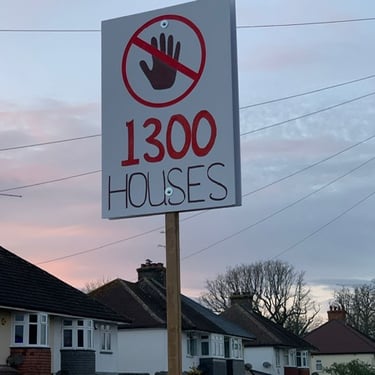
STOP 1,000+ HOMES ON SALFORDS GREEN BELT
Once this land is gone — it’s gone forever
This isn’t just development
It’s the loss of protected countryside, wildlife, and the identity of our community
Why this development should be opposed
Across the country the pattern is becoming impossible to ignore.
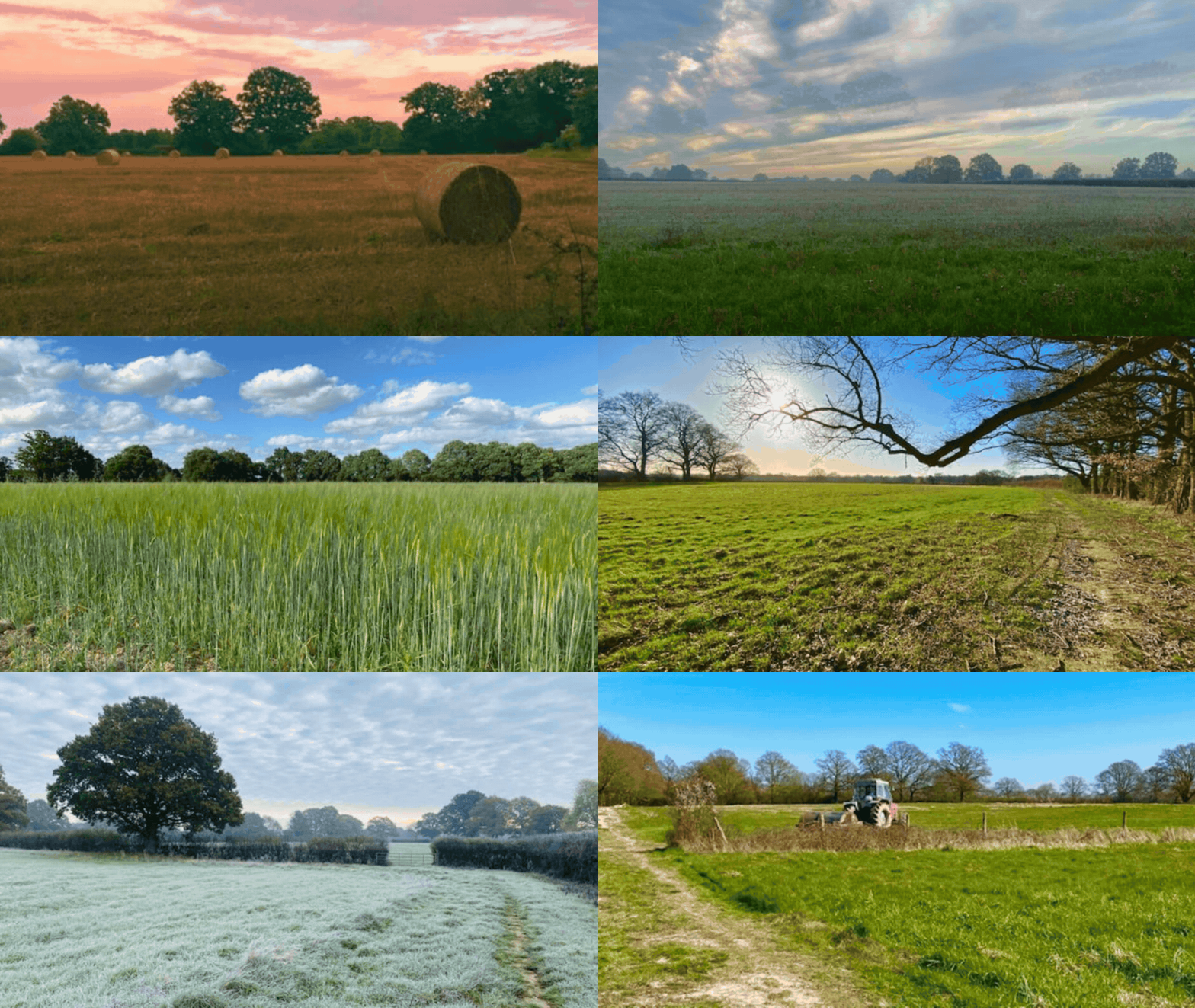
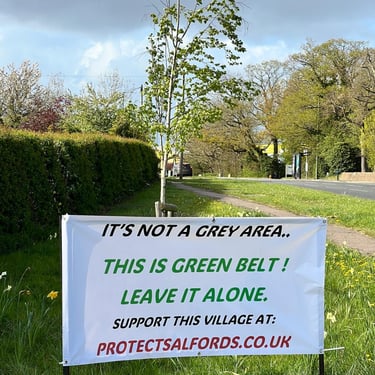
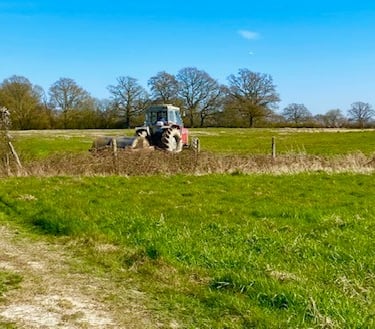
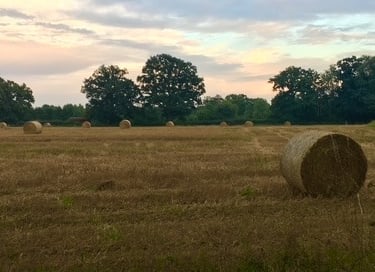
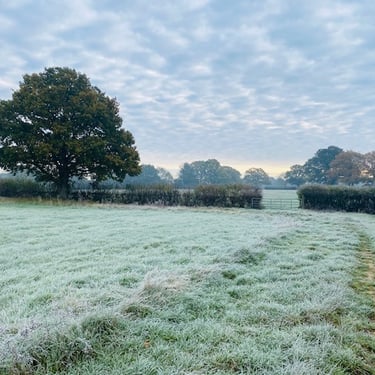
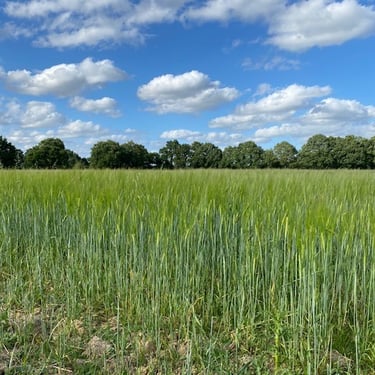
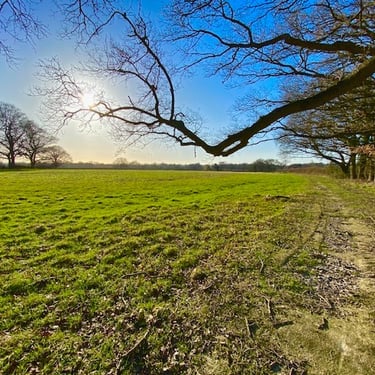
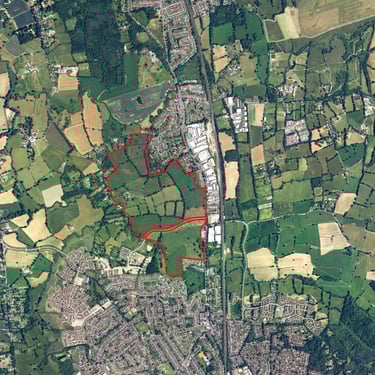
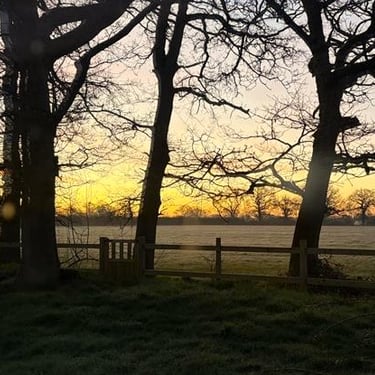
Green Belt farmland and open countryside is being targeted for large-scale housing increasingly rebranded as “Grey Belt” to make development easier to justify. However, reclassifying as Grey Belt is intended for land that is considered poor-quality and ‘ugly’ This is not the case here, we have nature-rich, environmentally valuable land on the border of Salfords & Horley at Ladyland Farm – this is arable farmland with historic significance, natural beauty and a haven for wildlife.
Land that was once protected is now being reframed as opportunity, and it’s not isolated - it’s happening everywhere.
Communities like ours in Salfords & Horley are being asked to absorb thousands of homes on land that has defined their character for generations. The direction is clear. Planning policy is shifting. Boundaries are softening, and land once considered off-limits is now in play. But let’s be honest about what’s at stake. Green Belt isn’t empty space waiting to be built on. It supports wildlife, farming, flood protection, and the identity of towns and villages. It creates separation. It gives breathing room. And once it’s gone — it’s gone.
Here’s the uncomfortable truth: building on this land doesn’t automatically solve local housing needs. Many of these homes will remain out of reach for local people. Furthermore, the real answer to any housing crisis lies in the real Grey Belt – national and local government owns 7,555 hectares of surface car parks, plus urban land is constantly recycled, so brownfield sites are available as an alternative to pouring concrete into the Green Belt.
What this means for you
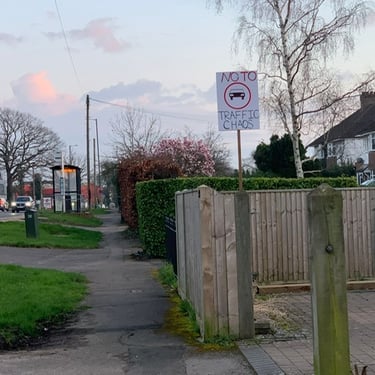
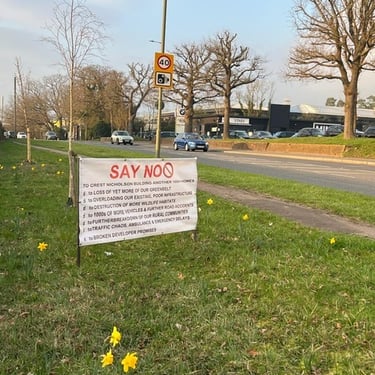
More pressure on: GP surgeries, schools, roads and traffic, drainage and flooding. A disregard to food security, protected species and more. Once it starts — there is no reversing it
Take action now
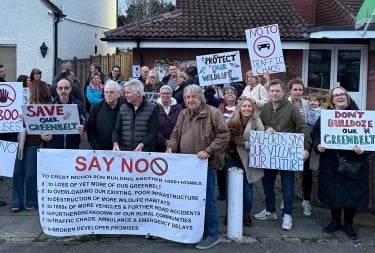
This decision hasn’t been finalised, which means we still have a chance to stop it.
Share this website with neighbours and people across the country as this is happening everywhere. Join the mailing list
What we are doing
Stay tuned as we will be working hard to get the information you deserve using all means necessary. We will be publishing relevant articles, sharing with you our enquiries with officials under news & updates and inviting relevant people such as councillors to comment on the questions that really matter.
Silence = approval. Action = impact.
The truth about this development
Let’s be clear. This will not solve the housing crisis and we need to understand the very meaning of this crisis.
Where's the evidence homes will be affordable for local people and the next generation?
Local infrastructure is already under pressure. How will they adress this?
Brownfield sites exist along with other sites such as infill plots. These should be prioritised. The original idea of the policy changes were to identify low quality land.
Why build on Green Belt that is also Heritage & Agricultural land?

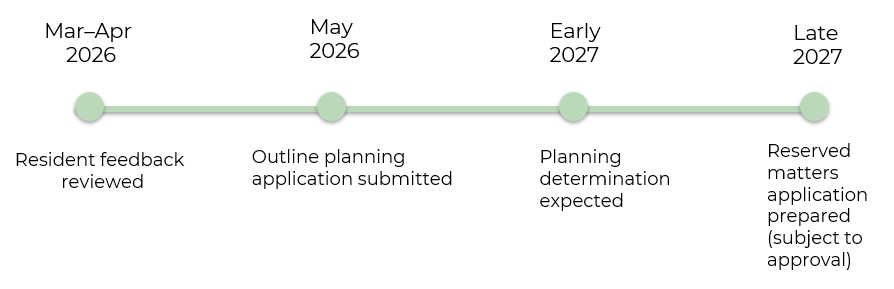
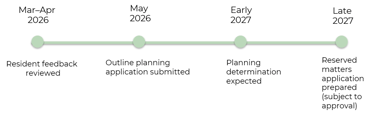
Current Timeline
Join mailing list